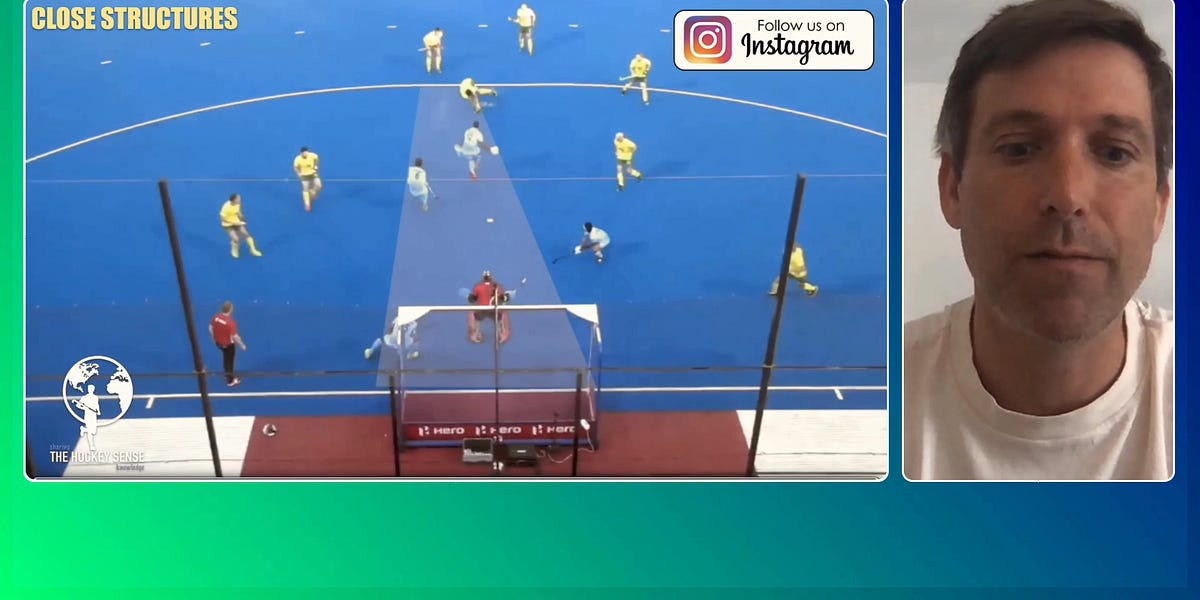
Training penalty corner attack (PCA) variations is a cornerstone of modern field hockey coaching. It’s one of those areas where the smallest details can make the biggest difference, especially when it comes to rebounds. Rebounds are often overlooked in PCA training, but they’re a critical component of scoring opportunities. As Fede Tanuscio, the sports director for Hockey Luxembourg, pointed out during one of our masterclasses:
We work on deflections, drag flicks, and box variations, but we almost never work on rebounds. That’s something I’ve analyzed a lot, and I found it’s a standard situation we need to address more.
So, let’s dive into how to train PCA variations with a specific focus on rebounds. We’ll explore the technical, tactical, and practical aspects of this often-undertrained skill, drawing insights from some of the best minds in the game.
Why Focus on Rebounds in PCA Training?
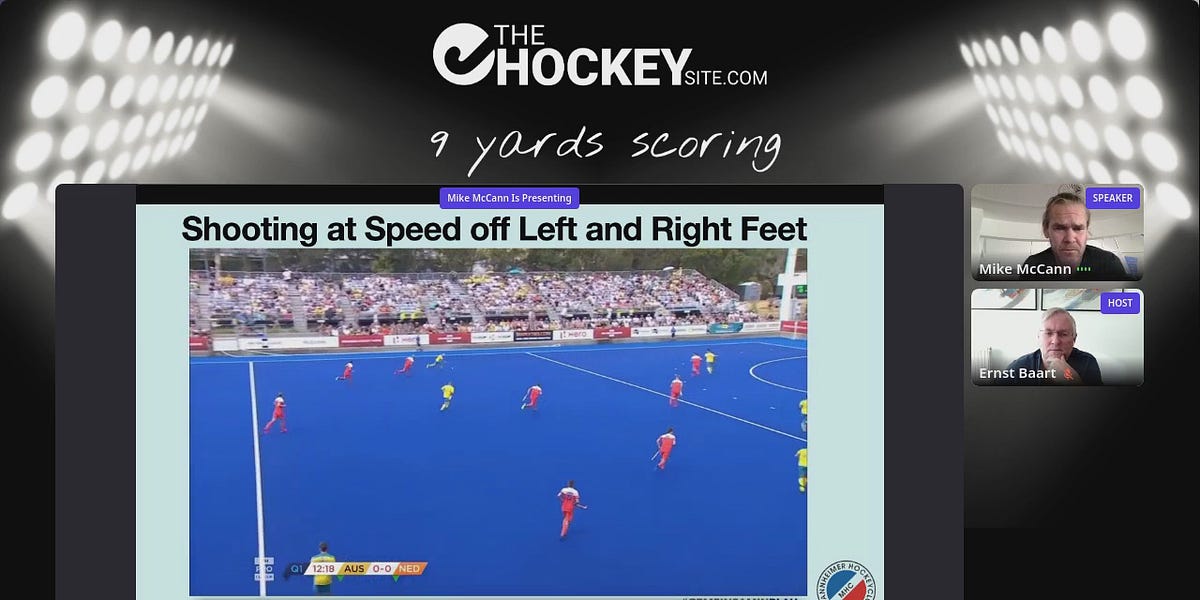
Rebounds are chaotic by nature. They’re unpredictable, fast, and often unstructured. But within that chaos lies opportunity. As Mike McCann, a former Australian international and now a coach in Germany, explained in his masterclass on scoring in the 9-yard zone, “Rebounding goals might look uncoordinated, but when you break them down, there’s actually a very simple plan behind them. The best players in this area have mastered a few key principles” .
In PCA situations, rebounds occur when the initial drag flick, deflection, or shot is saved by the goalkeeper or blocked by a defender. These moments demand quick reactions, spatial awareness, and technical precision. Training for rebounds not only improves your team’s scoring efficiency but also sharpens their ability to adapt to dynamic situations.
Key Principles for Rebounding in PCA Situations
Anticipation and PositioningThe first step in mastering rebounds is understanding where the ball is likely to go. As McCann emphasized, “Rebounders need to turn their focus to the goal area a second or two before the shot. Use peripheral vision to track both the ball and the goalkeeper’s movements” . This means training players to read the play and position themselves in high-probability zones for rebounds.Fede Tanuscio added another layer to this during his PCA-focused masterclass: “Mark the zones where rebounds are likely to occur using cones. Train players to move into these zones before the defenders can react” . This proactive approach ensures your attackers are always a step ahead.
Quick Reactions and FootworkRebounding is all about speed—both mental and physical. Players need to react instantly to the ball’s trajectory and adjust their body position accordingly. McCann highlighted the importance of footwork: “It’s about quick, small steps to get your body momentum towards the goal. On the forehand, it’s just about first contact with the hands away from the body, followed by quick adjustments” .
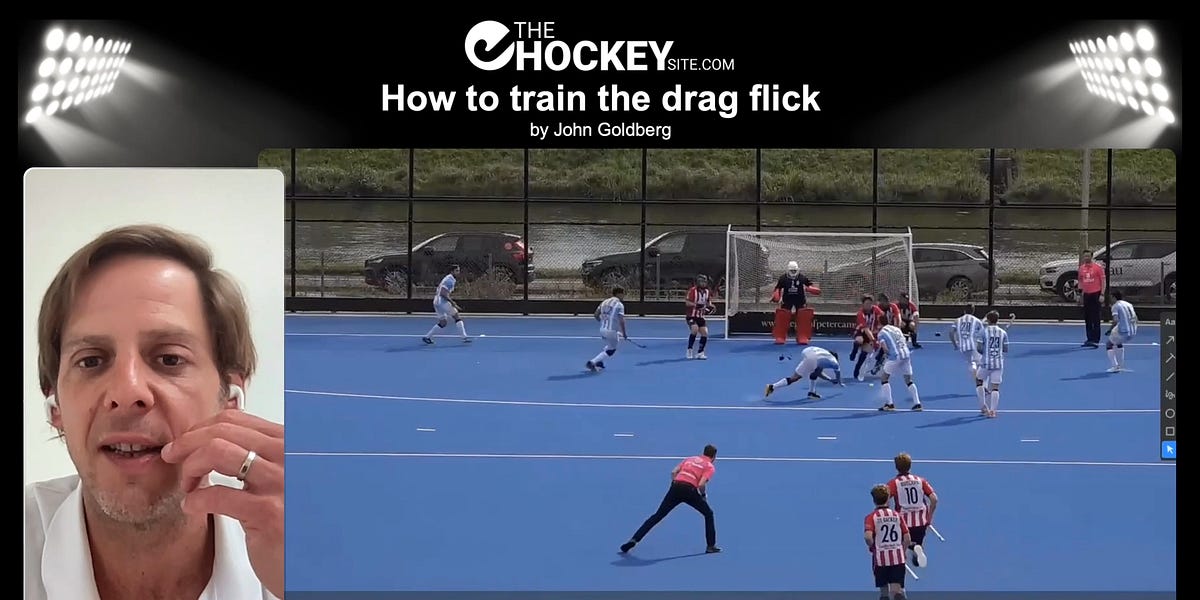
Stick Position and ReadinessJohn Goldberg, a drag flick specialist for the Belgian women’s national team, stressed the importance of stick readiness in rebound situations: “Be stationary with your stick low and ready when the goalkeeper makes the save. This minimizes reaction time and maximizes control” . Training players to maintain this ready position can significantly improve their effectiveness in converting rebounds.
Understanding the Goalkeeper’s PerspectiveTo train effective rebound strategies, it’s crucial to understand how goalkeepers operate. Pirmin Blaak, a Dutch international goalkeeper, explained that goalkeepers prioritize covering the most immediate threats. “As a goalie, your first job is to prevent the initial goal. Rebounds are secondary, but they’re also where strikers can exploit gaps in positioning” . Use this insight to teach your players how to capitalize on these gaps.

Designing Effective PCA Rebound Drills
Now that we’ve covered the principles, let’s look at how to incorporate them into your training sessions. Here are some practical drills and setups to focus on rebounds in PCA situations:
Zone-Based Rebound TrainingSet up cones to mark high-probability rebound zones around the goal. Have your drag flickers or shooters take shots while the rebounders focus on moving into these zones. Encourage them to anticipate the ball’s trajectory and react quickly. As Tanuscio suggested, this drill can be done separately from the main PCA training to give players more focused practice .
Goalkeeper-Rebounder InteractionPair your rebounders with a goalkeeper and simulate PCA scenarios. The goalkeeper makes saves, and the rebounders must react to the ball’s deflection. This drill not only improves the rebounders’ skills but also helps the goalkeeper practice controlling rebounds.
Chaos DrillsCreate unstructured situations where multiple players are involved in the circle. Use random deflections, saves, and blocks to simulate the chaos of a real game. This helps players develop the ability to adapt and make quick decisions under pressure.
Video Analysis and FeedbackUse video footage to analyze rebound situations from games or training sessions. Highlight what worked and what didn’t, and use this feedback to refine your drills. As Tanuscio noted, reviewing game footage is an essential part of designing effective training sessions .
Integrating Rebounds into PCA Variations
Rebounds shouldn’t be an afterthought in PCA training—they should be an integral part of your strategy. Here’s how to incorporate them into different PCA variations:
Drag Flick VariationsTrain your drag flickers to aim for areas that increase the likelihood of rebounds, such as the goalkeeper’s pads or the post. As Tanuscio explained, targeting the left foot of the first runner can create blind angles for the goalkeeper, increasing the chances of a rebound .
Deflection PlaysCombine deflection drills with rebound training. For example, have a player positioned at the post for deflections, with another player ready to capitalize on any rebounds. This layered approach ensures multiple scoring options.
Box VariationsIn box setups, position players strategically to cover all potential rebound zones. Train them to communicate and coordinate their movements to maximize coverage.
Common Challenges and How to Overcome Them
Training rebounds in PCA situations comes with its own set of challenges. Here are some common issues and tips to address them:
Lack of Focus on ReboundsAs Tanuscio admitted, rebounds are often neglected in PCA training. Make it a point to dedicate at least one session per week to this skill. Consistency is key .
Difficulty in Reading the PlayNot all players have a natural ability to anticipate rebounds. Use video analysis and guided drills to help them develop this skill. Encourage them to focus on the goalkeeper’s movements and the ball’s trajectory.
Coordination Between PlayersRebounds often involve multiple players vying for the ball. Train your team to communicate effectively and establish clear roles in rebound situations.
Final Thoughts
Rebounds are a game-changing aspect of PCA training. They’re unpredictable, chaotic, and often overlooked—but they’re also where some of the most exciting goals happen. By focusing on anticipation, positioning, quick reactions, and stick readiness, you can turn rebounds into a strength for your team.
As McCann said:
There’s a very simple plan behind most rebounding goals. It’s about mastering the basics and being prepared for the chaos
So, the next time you’re planning your PCA training sessions, don’t forget to include a focus on rebounds. It might just be the difference between a good team and a great one.
Sources: