

Building up against a low zonal block demands structural sophistication, tactical patience, and relentless training of specific patterns. The most effective approach combines a back-five structure to create 2v1 overloads, systematic use of third-man combinations and give-and-goes to break compact lines, and targeted exploitation of the system’s weaknesses—particularly top corners and flick opportunities around the circle. Success requires drilling these principles through progressive, game-realistic sessions that embed decision-making under pressure.
The low zonal block has become one of modern field hockey’s most effective defensive systems, adopted by elite teams from the Olympics to domestic league top clubs. For coaches building attacking play, it presents a fascinating tactical puzzle: how do you break down a compact, organized defensive structure that sits deep, closes central channels, and forces teams into low-quality shooting positions?
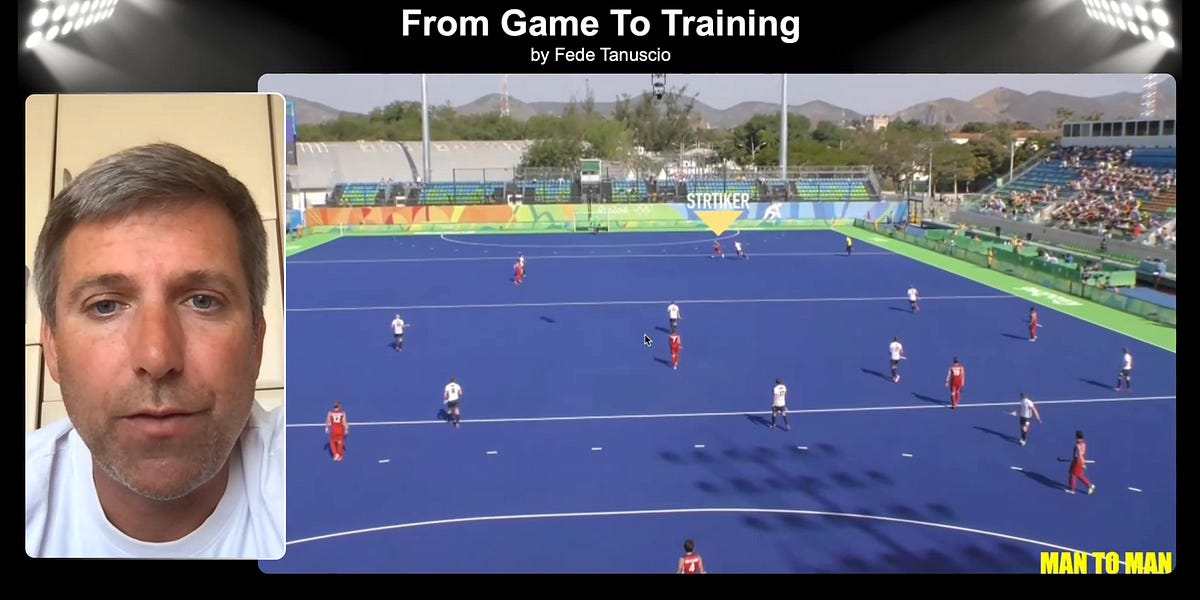
According to Fede Tanuscio, who has analyzed this system extensively at international level:
“The low zonal block is a defensive strategy where the team is organized in your own quarter, defending in zones with a low compact shape. The main goal of this system is to reduce the space, protect the scoring area and force the opponent teams into errors and recoverable in safety areas.”[1]
When Tanuscio analyzed six games from the EuroHockey Championships in 2025 featuring low zonal blocks, the statistics were sobering. Teams managed between 8-16 circle penetrations but converted these into only 1-4 penalty corners. “Even if you enter the circle, it’s difficult to get outcomes,” Tanuscio explains. “That’s why we need to work on how we can break down that system.”[1]
For experienced coaches, this article breaks down the structural, tactical, and training principles required to systematically dismantle low zonal blocks.
The Hockey Site hosted these earlier masterclasses and workshops which were the sources for this article:
Understanding the Defensive Structure You’re Facing
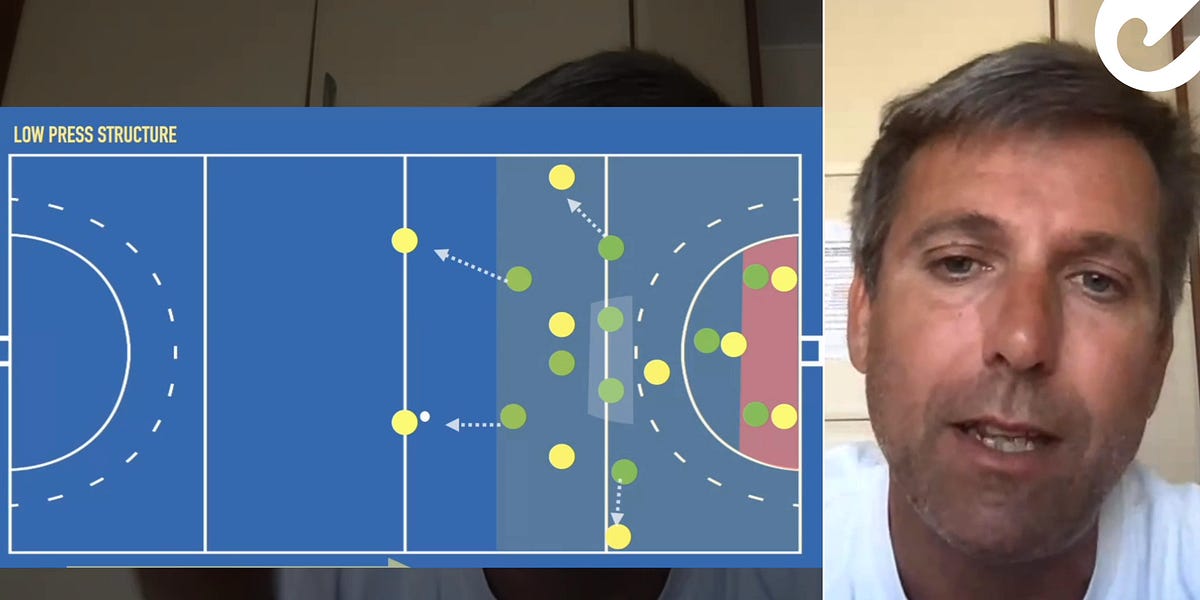
Before building your attacking approach, understand what the low zonal block is designed to do. The system typically features three to four defenders sitting on or just outside the circle, midfielders positioned in a compact line across the 23-meter area, and strikers whose primary job is to protect the center and block inside passes—similar to indoor hockey principles.
The compact shape achieves several defensive objectives simultaneously. First, it dramatically reduces space between defensive lines, making vertical penetration difficult. Second, it invites teams to play around the structure rather than through it, extending possession time and increasing error probability. Third, it allows defenders to maintain numerical superiority around the circle, with multiple players positioned to intercept crosses and deflections.
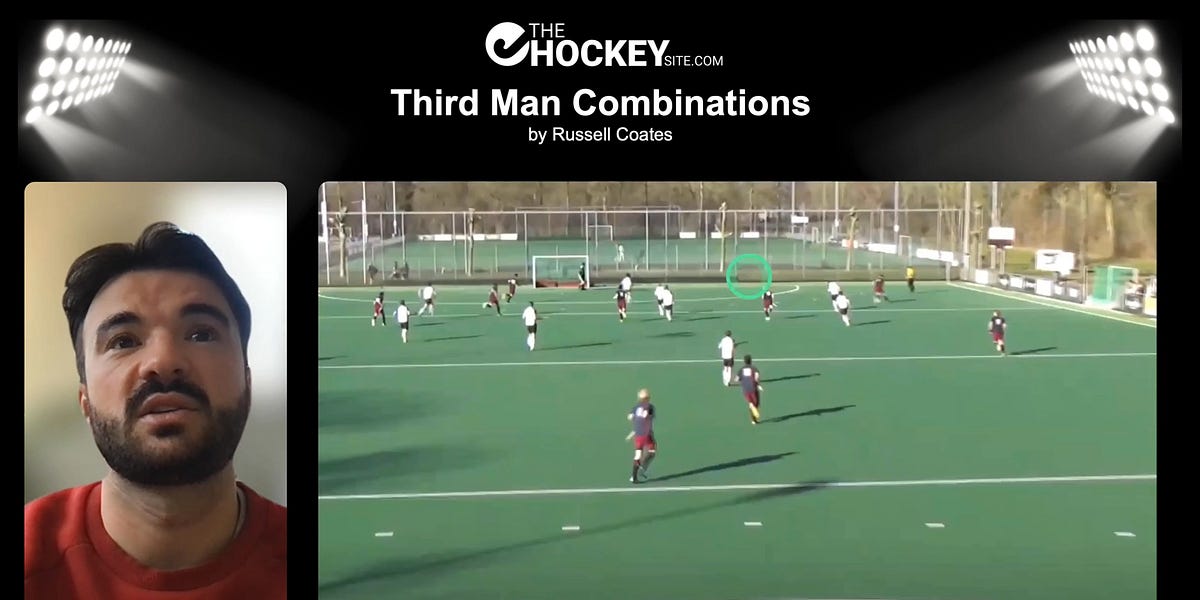
As Russell Coates notes when discussing breaking down zonal defenses: “I’ve noticed a trend that quite a lot of teams have adopted a zonal defense and it sometimes can be quite hard to break through the defensive structure.”[2] The key word here is “structure”—you’re not beating individual defenders, you’re dismantling an organized system.

The Structural Solution: Back Five with Purposeful Width
The first principle for building up against a low zonal block is structural. Tanuscio is emphatic: “The normal is to play like a back five situation with a low mid always and a high mid in that position.”[1]
Why back five? The answer is mathematical and spatial. “All we want with the back five is to have double width,” Tanuscio explains. “What do we want with double width is to create 2v1s. That’s what we want to do it. That’s why the standard structure is playing with back five at the back.”[1]
This isn’t simply about having more defenders available. The back five creates consistent opportunities for numerical overloads on the flanks. When the ball is circulated wide, the fullback has two potential passing options in proximity—the wide midfielder ahead and the central defender inside—while the opposing fullback or striker has to make a decision about which passing lane to block. This systematic 2v1 situation is the foundation for breaking compact defenses.
The spacing must be intentional. Your central defenders should be positioned slightly narrower than typical, which seems counterintuitive but serves a crucial purpose. As Tanuscio explains: “Those defenders, the idea of the back five is to find the vertical channels. So if you have the central side defenders, it should be more narrow. And then you can manipulate to play vertical balls, and also the side mids are coming a little bit as back defenders.”[3]
Your three strikers should position inside or just outside the circle to create “post up” opportunities—receiving the ball vertically with their back to goal, then combining quickly to penetrate the defensive line. This forward positioning pins the deepest defenders and creates the space between lines that your midfielders will exploit.
The Tactical Patterns That Break the Block
Structure alone won’t break a well-organized low block. You need specific, trained patterns that systematically create problems for the defensive organization.

Subscribe to continue reading
Become a paying subscriber of The Hockey Site to get access to the rest of this post and other subscriber-only content.
UpgradeA subscription gets you:
- Unlimited access to our on demand archive of videos and articles
- Subscription to our newsletter
- Full access to content that can earn you CPD credits with FIH
- Access to Assistant.Hockey - your AI coach assistant
